Compare Local Contractors for Concrete Walkway Installation Success
Compare local contractors for concrete walkway installation to define project scope, verify experience, and establish clear expectations for a successful outcome.
Concrete walkway installation typically involves preparing the site, designing the layout, and pouring or laying concrete to create a durable, smooth pathway. This work can include excavation, grading, forming the edges, reinforcing the concrete with mesh or rebar, and finishing techniques to achieve a clean, even surface. Depending on the property, contractors may also incorporate decorative elements like stamping, coloring, or texturing to enhance the walkway’s appearance. Clear communication about the scope of work helps ensure that property owners understand what is included and can plan accordingly for their outdoor space.
Defining the scope of a concrete walkway project is essential for setting accurate expectations and avoiding misunderstandings. Property owners should work with contractors to specify details such as the size and shape of the walkway, materials or finishes desired, and any additional features like steps or borders. Putting these details in writing provides a reference point that can help prevent scope creep and ensures that both parties agree on what will be delivered. A well-defined scope also assists in assessing whether a contractor has the experience and resources needed to complete the project to the property owner’s satisfaction.
When comparing local contractors for walkway installation, it’s important to evaluate their experience, reputation, and the scope of services offered. Property owners can ask for examples of previous work or references to gauge the quality of a contractor’s craftsmanship. Reviewing how each contractor approaches project planning, communication, and scope definition can reveal their professionalism and reliability. Additionally, verifying that contractors understand the specific needs of the property and can deliver a comprehensive scope of work in writing helps ensure a smooth process and a finished project that meets expectations.
Compare local contractors by outlining project priorities, verifying experience, and setting clear expectations in writing.
- Compare Contractor Experience - Review the background and project history of local contractors to ensure relevant expertise.
- Define Project Scope Clearly - Establish detailed expectations and specifications before work begins.
- Verify Credentials and References - Check references and past work to assess the reliability of service providers.
- Document Agreements in Writing - Ensure all project details, responsibilities, and expectations are outlined in a formal agreement.

Clearly describing your walkway project helps compare local contractors, define scope, verify experience, and set expectations in writing.
- Verify the contractor’s experience with concrete walkway installations to ensure they are knowledgeable about proper techniques and materials. - Review the scope of work to confirm it clearly defines the project’s size, design, and specific requirements.
- Ensure the contractor provides a detailed written estimate that outlines the scope, materials, and responsibilities involved in the project. - Confirm that the service providers are licensed or insured, if applicable, to protect against potential liabilities.
- Ask for references or examples of previous walkway projects to assess the quality of their work and adherence to standards. - Discuss the proposed project timeline and milestones to set clear expectations for the process.
- Check that the contractor is familiar with local building codes and permits required for walkway installation in the area. - Ensure all project details, including scope and expectations, are documented in a formal agreement before work begins.
Compare local contractors’ experience and clarify project scope to ensure successful walkway installation.
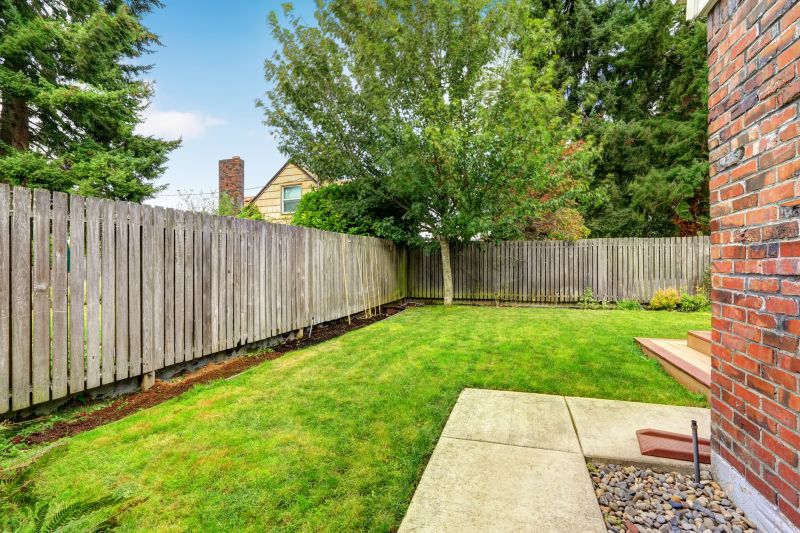



Use consistent comparison criteria across local contractors to accurately evaluate scope, experience, and written expectations.
- Scope Definition - clearly outline the specific dimensions, layout, and design features of the walkway to establish project expectations.
- Material Specifications - specify the type and quality of concrete and any additional materials required for the installation.
- Preparation Requirements - identify site preparation needs, including excavation, grading, and sub-base installation.
- Installation Process - detail the steps involved in pouring, finishing, and curing the concrete to ensure quality standards.
- Warranty and Service Expectations - define the scope of post-installation support and any warranties offered by local service providers.
When evaluating contractors for concrete walkway installation, it’s important to consider their experience with similar projects. Homeowners should inquire about the number and types of walkways they have completed, especially those comparable in size, design, or location. A contractor with a proven track record in installing durable, well-finished walkways can provide insight into their familiarity with the specific challenges and best practices associated with such work. Verifying their experience helps ensure that the chosen service providers are comfortable handling the scope and complexity of the project, reducing the risk of unexpected issues down the line.
Clear, detailed communication about the scope of work is essential when comparing contractors. A well-defined scope should outline the specific tasks involved, materials to be used, and any preparatory or finishing work required. Homeowners should seek proposals or written statements that specify these details, as vague descriptions can lead to misunderstandings or unmet expectations. Having a documented scope also creates a basis for comparison, making it easier to identify which contractors offer comprehensive, transparent plans aligned with the project’s needs.
Verifying a contractor’s basic qualifications involves assessing their reputation and verifying their credentials through references or past projects. Homeowners can request references from previous clients or review portfolios of completed work to gauge quality and consistency. Additionally, confirming that the contractor has the necessary insurance coverage and adheres to local building codes provides further assurance of their professionalism and reliability. These verification steps help ensure that the selected service providers have a history of delivering satisfactory results on similar projects.
When comparing options, it is helpful to evaluate how each contractor approaches the project scope and their communication style. Homeowners should ask how they plan to handle specific aspects of the installation, such as site preparation, reinforcement, and finishing details. Reviewing written proposals or scope descriptions allows for a side-by-side comparison of each contractor’s understanding and approach. This process provides clarity on what to expect and helps identify which service providers demonstrate professionalism, attention to detail, and a thorough understanding of the project requirements, facilitating an informed decision without focusing on pricing considerations.
Ask contractors to provide written scope details to ensure clear understanding and consistent project expectations.
- Experience and Portfolio - How can you verify a contractor’s previous work on concrete walkway installations?
- Scope of Work - What details should be included to clearly define the scope of the walkway project?
- Materials and Techniques - How do different contractors specify the materials and methods they plan to use?
- Communication and Expectations - What questions should be asked to ensure the contractor’s approach aligns with project goals?
- Comparison of Services - How can potential clients compare the scope and quality of services offered by different local contractors?
How can I compare contractors for concrete walkway installation? To compare local contractors, review their experience, request references, and check their portfolio of similar projects to ensure they have relevant expertise.
What should I consider when defining the scope of my walkway project? Clearly outline the desired size, shape, materials, and any special features to help contractors provide accurate proposals and ensure everyone is aligned on expectations.
How do I verify a contractor’s experience with walkway installations? Ask for details about their previous work, including completed projects similar to yours, and inquire about how long they have been performing concrete walkway installations.
Why is it important to have the project scope in writing? Having the scope documented helps prevent misunderstandings, sets clear expectations, and provides a reference for the work to be performed by the contractor.
What questions should I ask a contractor before hiring for walkway installation? Inquire about their process, materials used, experience with similar projects, and how they handle unexpected issues that may arise during installation.
How can I ensure the contractor understands my vision for the walkway? Communicate your ideas clearly, ask for detailed proposals, and request written descriptions of the work to confirm alignment before work begins.
By exploring different local contractors, visitors can gain a clearer understanding of the options available for concrete walkway installation. Learning how to compare scope, verify experience, and set clear expectations in writing helps ensure the project aligns with specific needs. Utilizing the quote form allows for straightforward comparisons among service providers, making it easier to find the right fit for the job.
Taking the time to connect with local service providers through the quote form can streamline the process of evaluating options and establishing clear project details. This approach supports informed decision-making and helps identify experienced contractors who can meet individual requirements. Comparing multiple local contractors ensures that the chosen professional aligns with the project's scope and expectations.